Destinations
Every destination we cover
Speeds below are typical download speeds. Prices are the starting price, and none of this data expires.
How this list is built
Every destination here comes from one catalog, and the page prints all of it. There is no shortlist and no hidden tier. If a country is not in the list, we do not sell it.
Each entry carries the same six fields. The networks your phone attaches to in priority order, the median speed, the tenth percentile, whether 5G is live, the starting price and the pack size. 9 destinations also carry a note about a local restriction worth knowing before you pay.
Nothing on the list is a placeholder. A destination appears once there is a pack to sell and a network to sell it on, so the number moves in ones rather than in rounded claims.
- The median across the whole catalog is 44 Mbps.
- The fastest destination reads 158.7 Mbps. The slowest reads 18 Mbps.
- 109 destinations have 5G live. The other 88 are 4G only.
- 264 distinct networks sit behind the 197 entries.
What each region covers
| Region | Destinations | Median Mbps | From |
|---|---|---|---|
| Europe | 55 | 71 | $5.89 |
| Asia | 29 | 43.9 | $5.89 |
| Middle East | 11 | 72 | $4.89 |
| Africa | 46 | 30 | $5.89 |
| North America | 12 | 34 | $6.89 |
| South America | 13 | 34 | $5.89 |
| Caribbean | 25 | 37.6 | $5.89 |
| Oceania | 11 | 39 | $5.89 |
Median is the median of that region's destination medians. From is the lowest starting price in the region. Both are counted from the catalog rendered below.
197
Destinations live
448
Cities with a page of their own
264
Networks behind them
Europe
Europe regional plan- Åland Islands$7.89
- Albania54 Mbps$6.89
- Andorra61 Mbps$10.89
- Armenia43 Mbps$6.89
- Austria86 Mbps$5.89
- Azerbaijan39 Mbps$8.89
- Belarus31 Mbps$6.89
- Belgium77 Mbps$5.89
- Bosnia and Herzegovina46 Mbps$8.89
- Bulgaria72 Mbps$5.89
- Croatia71 Mbps$5.89
- Cyprus66 Mbps$5.89
- Czechia64 Mbps$5.89
- Denmark88 Mbps$5.89
- Estonia95 Mbps$5.89
- Faroe Islands$6.89
- Finland102 Mbps$5.89
- France71 Mbps$5.89
- Georgia48 Mbps$6.89
- Germany63 Mbps$5.89
- Gibraltar58 Mbps$5.89
- Greece69 Mbps$5.89
- Guernsey$12.89
- Hungary59 Mbps$5.89
- Iceland81 Mbps$5.89
- Ireland61 Mbps$5.89
- Isle of Man$6.89
- Italy88 Mbps$5.89
- Jersey$5.89
- Kosovo158.7 Mbps$14.89
- Latvia82 Mbps$5.89
- Liechtenstein88 Mbps$5.89
- Lithuania86 Mbps$5.89
- Luxembourg91 Mbps$5.89
- Malta71 Mbps$5.89
- Moldova41 Mbps$5.89
- Monaco84 Mbps$53.89
- Montenegro52 Mbps$6.89
- Netherlands94 Mbps$5.89
- North Macedonia49 Mbps$7.89
- Norway97 Mbps$5.89
- Poland68 Mbps$5.89
- Portugal74 Mbps$5.89
- Romania89 Mbps$5.89
- Russia$7.89
- San Marino$5.89
- Serbia56 Mbps$6.89
- Slovakia67 Mbps$5.89
- Slovenia74 Mbps$5.89
- Spain79 Mbps$5.89
- Sweden91 Mbps$5.89
- Switzerland112 Mbps$5.89
- Ukraine44 Mbps$5.89
- United Kingdom67 Mbps$5.89
- Vatican City$5.89























































- Afghanistan19 Mbps$17.89
- Bangladesh28 Mbps$6.89
- Bhutan$11.89
- Brunei58 Mbps$12.89
- Cambodia42 Mbps$6.89
- China41 Mbps$5.89
- Hong Kong92 Mbps$5.89
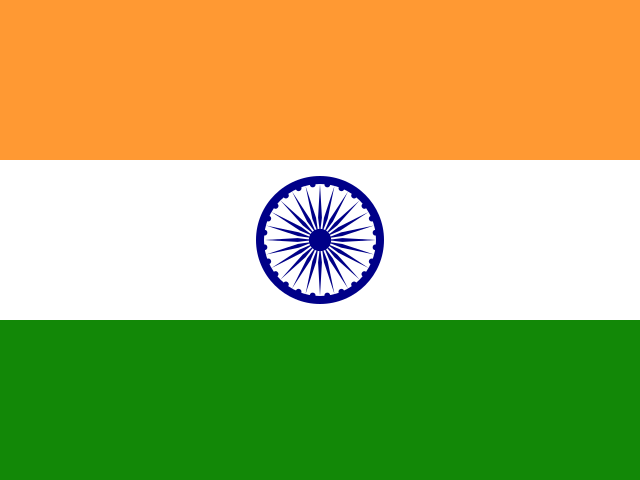
- India46 Mbps$7.89
- Indonesia38 Mbps$5.89
- Japan74 Mbps$5.89
- Kazakhstan51 Mbps$5.89
- Kyrgyzstan33 Mbps$5.89
- Laos26 Mbps$7.89
- Macau84 Mbps$5.89
- Malaysia61 Mbps$5.89
- Maldives47 Mbps$24.89
- Mongolia35 Mbps$12.89
- Myanmar22 Mbps
- Nepal21 Mbps$9.89
- Pakistan25 Mbps$5.89
- Philippines34 Mbps$6.89
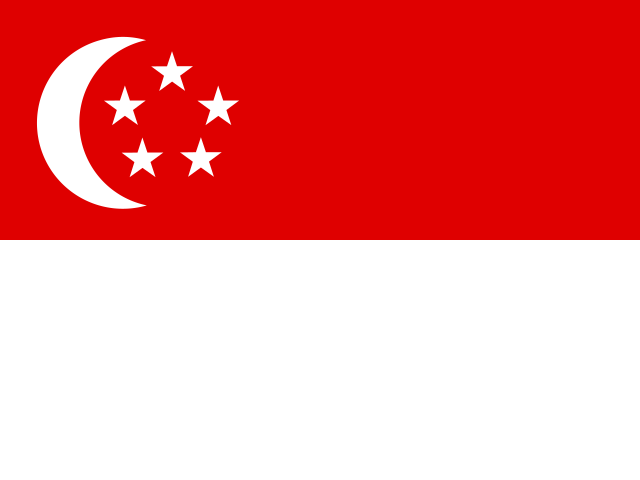
- Singapore119 Mbps$5.89
- South Korea104 Mbps$5.89
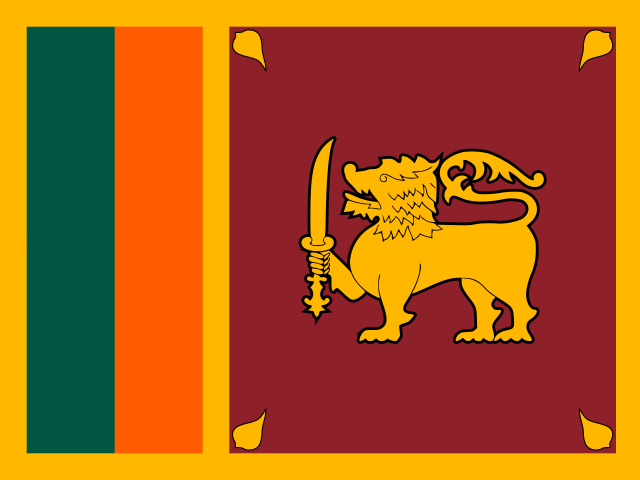
- Sri Lanka27 Mbps$6.89
- Taiwan88 Mbps
- Tajikistan43.9 Mbps$9.89
- Thailand52 Mbps$5.89
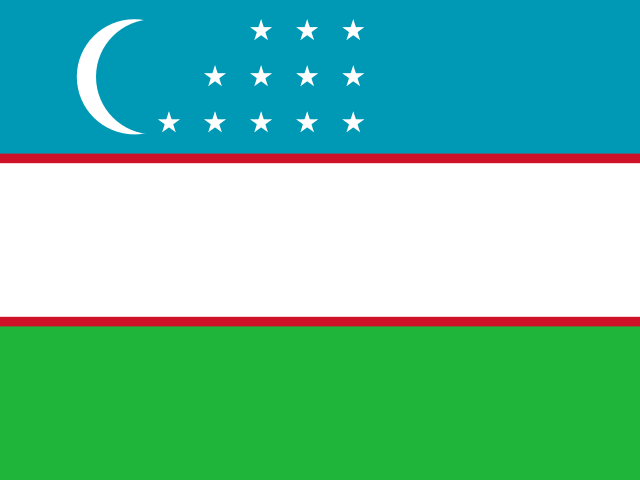
- Uzbekistan37 Mbps$5.89
- Vietnam56 Mbps$6.89

























Middle East
Middle East regional plan










Africa
Africa regional plan- Algeria27 Mbps$6.89
- Angola$32.89
- Benin$15.89
- Botswana31 Mbps$18.89
- Burkina Faso$16.89
- Cameroon$17.89
- Cape Verde$30.89
- Central African Republic$16.89
- Chad$14.89
- DR Congo$12.89
- Egypt29 Mbps$7.89
- Eswatini$29.89
- Ethiopia21 Mbps$14.89
- Gabon$14.89
- Gambia$28.89
- Ghana31 Mbps$8.89
- Guinea$17.89
- Guinea-Bissau$16.89
- Ivory Coast30 Mbps$19.89
- Kenya33 Mbps$9.89
- Liberia$16.89
- Libya20.1 Mbps$25.89
- Madagascar22 Mbps$20.89
- Malawi$14.89
- Mali$16.89
- Mauritania$27.89
- Mauritius52 Mbps$10.89
- Mayotte23.2 Mbps$5.89
- Morocco31 Mbps$7.89
- Mozambique$16.89
- Namibia29 Mbps
- Niger$14.89
- Nigeria26 Mbps$12.89
- Republic of the Congo$17.89
- Réunion63.1 Mbps$5.89
- Rwanda34 Mbps$15.89
- Senegal29 Mbps$10.89
- Seychelles41 Mbps$14.89
- Sierra Leone$20.89
- South Africa42 Mbps$7.89
- Sudan32.1 Mbps$18.89
- Tanzania24 Mbps$13.89
- Tunisia33 Mbps$6.89
- Uganda27 Mbps$15.89
- Zambia24 Mbps$14.89
- Zimbabwe$9.89






































North America
North America regional plan










South America
South America regional plan












Caribbean
Caribbean regional plan- Anguilla$19.89
- Antigua and Barbuda33 Mbps$21.89
- Aruba46 Mbps$29.89
- Bahamas41 Mbps$25.89
- Barbados38 Mbps$19.89
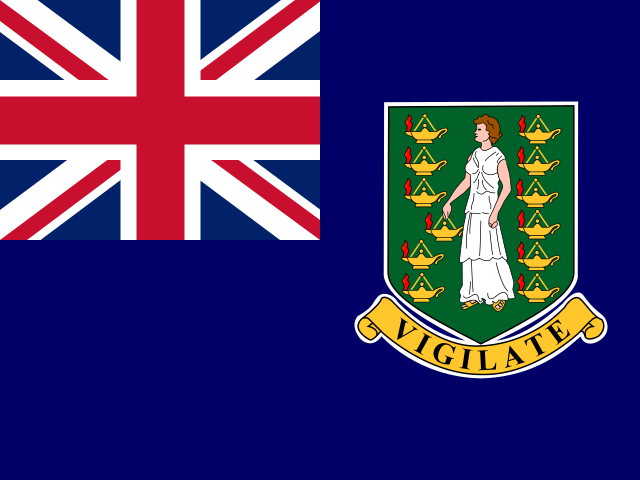
- British Virgin Islands$22.89
- Caribbean Netherlands$27.89
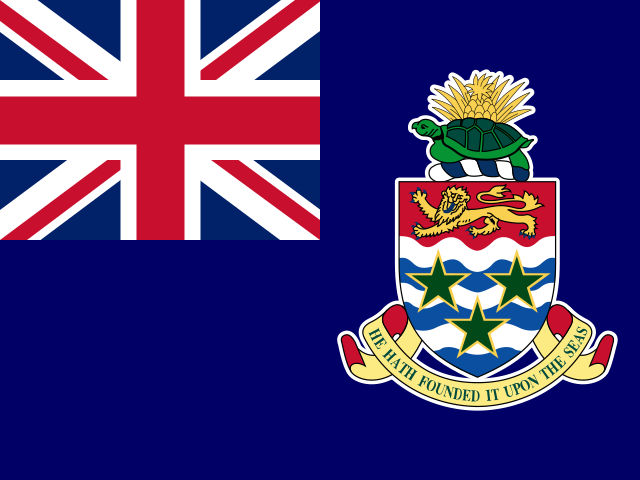
- Cayman Islands44 Mbps$21.89
- Curaçao29 Mbps$17.89
- Dominica$19.89
- Dominican Republic43 Mbps$9.89
- Grenada30 Mbps$22.89
- Guadeloupe46.2 Mbps$5.89
- Haiti$28.89
- Jamaica37 Mbps$19.89
- Martinique46.2 Mbps$5.89
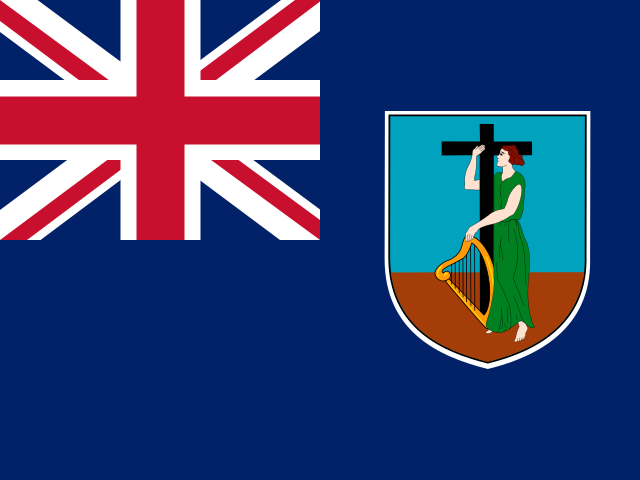
- Montserrat$20.89
- Puerto Rico56 Mbps$8.89
- Saint Barthélemy37.6 Mbps$5.89
- Saint Kitts and Nevis32 Mbps$22.89
- Saint Lucia31 Mbps$22.89
- Saint Martin22.3 Mbps$5.89
- Saint Vincent and the Grenadines$26.89
- Trinidad and Tobago35 Mbps$18.89
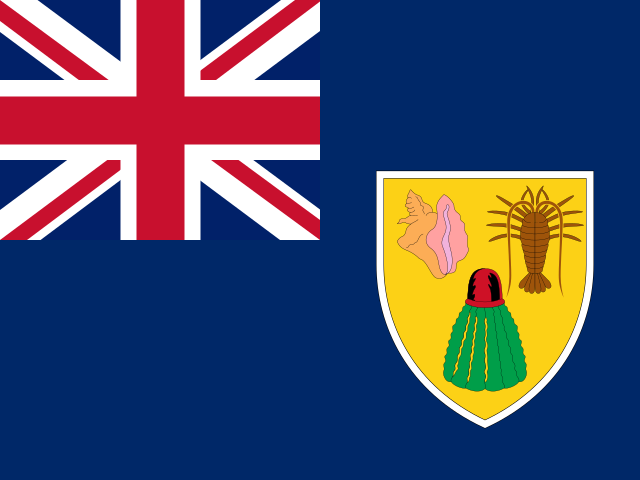
- Turks and Caicos Islands$18.89


















Oceania
Oceania regional plan








Where the 197 destinations are, and what stands behind them
Coverage is not spread evenly either. The table below is generated from the same catalog as the list, so the two cannot disagree.
9 destinations carry a note about a local restriction before you pay rather than after.
One network or two, and what switching actually means
191 of 197 destinations list two networks. The catalog holds them in priority order, so your phone takes the first that answers and falls back to the second. You do nothing, and you do not see it happen.
6 destinations list one network only: Andorra, Gibraltar, Greenland, Liechtenstein, Monaco, New Caledonia and Nauru. If that network has a bad day there is nothing to fall back to. The card names that single carrier, so you know before you pay which network the profile will be on.
Two networks is not the same as both at once. You are on one of them at a time. What the second one buys you is a second chance when the first has no signal or no capacity, which is most of what people mean when they say a country has good coverage.
The order matters more than the count. A destination with two networks is not twice as fast. It is a destination where a bad hour on one mast is not the end of the afternoon, and that is the whole of what the second row on a card buys you.
What each destination card tells you
The filter at the top searches the 448 city names in the catalog as well as the 197 destination names, so typing Osaka finds Japan.
Open a card and the destination page adds the rest. The carriers appear in the order the phone will try them, and the median sits next to the tenth percentile so the bad end is visible as well as the middle.
The price shown is the price the checkout charges, in the currency you are seeing, and the balance it buys does not expire. Country pack or global wallet, each destination's line installs in one tap and refills arrive on the line you already have.
- The flag and the name open that destination's own page.
- The Mbps figure is a median, not a peak.
- The price is the starting price for the local pack, which is 5 GB or 10 GB depending on the destination.
- Prices run from $4.89 to $29.89. The best value per gigabyte is French Guiana at $0.89.
Questions people actually ask
How many destinations does Orbislo cover?
Can one plan cover all of them?
Why do some destinations show only one network?
How fast is the data across the catalog?
Do all destinations have 5G?
Does the price on a card expire?
Found your country?
Open its page for the networks in priority order, a typical speed, and the local restriction if there is one. Then pick the country pack or the global balance, whichever is cheaper for the trip you are taking.