شريحة eSIM إلى Galapagos
في Galapagos تتصل بـ Claro أو Movistar، أيهما أفضل أداءً في المكان الذي تقف فيه. السرعة المعتادة في البلد كلها 34 Mbps. تعمل بياناتك لحظة الهبوط، قبل أن تصل إلى صالة الجوازات.
- الشبكات
- Claro وMovistar
- السرعة المعتادة في الإكوادور
- 34 Mbps عادةً، و8 Mbps في أوقات الذروة
- شبكة 5G
- 4G فقط
- حد السرعة
- لا يوجد في الباقات محددة الحجم
- مشاركة الاتصال
- مسموح في كل الباقات
الباقات التي تغطي Galapagos
| البيانات | الصلاحية | السعر لكل جيجابايت | السعر | شراء |
|---|---|---|---|---|
| 1 GB | لا تنتهي صلاحيتها | 34.89 د.إ. | 34.89 د.إ. | |
| 3 GB | لا تنتهي صلاحيتها | 22.63 د.إ. | 67.89 د.إ. | |
| 5 GBالأكثر اختياراً | لا تنتهي صلاحيتها | 20.98 د.إ. | 104.89 د.إ. | |
| 10 GB | لا تنتهي صلاحيتها | 15.79 د.إ. | 157.89 د.إ. | |
| 20 GB | لا تنتهي صلاحيتها | 14.49 د.إ. | 289.89 د.إ. |
Ecuador مقارنة ببقية أمريكا الجنوبية
- السرعة المعتادة في المنطقة
- 33.5 Mbps
- الشبكات المستخدمة
- 2، Claro, Movistar
- شبكة 5G
- 4G only
- الأسرع منها في الجوار
- Peru، 35 Mbps
- الأبطأ منها في الجوار
- Argentina، 33 Mbps
- مدن لها صفحة خاصة
- 3: Quito, Galapagos, Cuenca
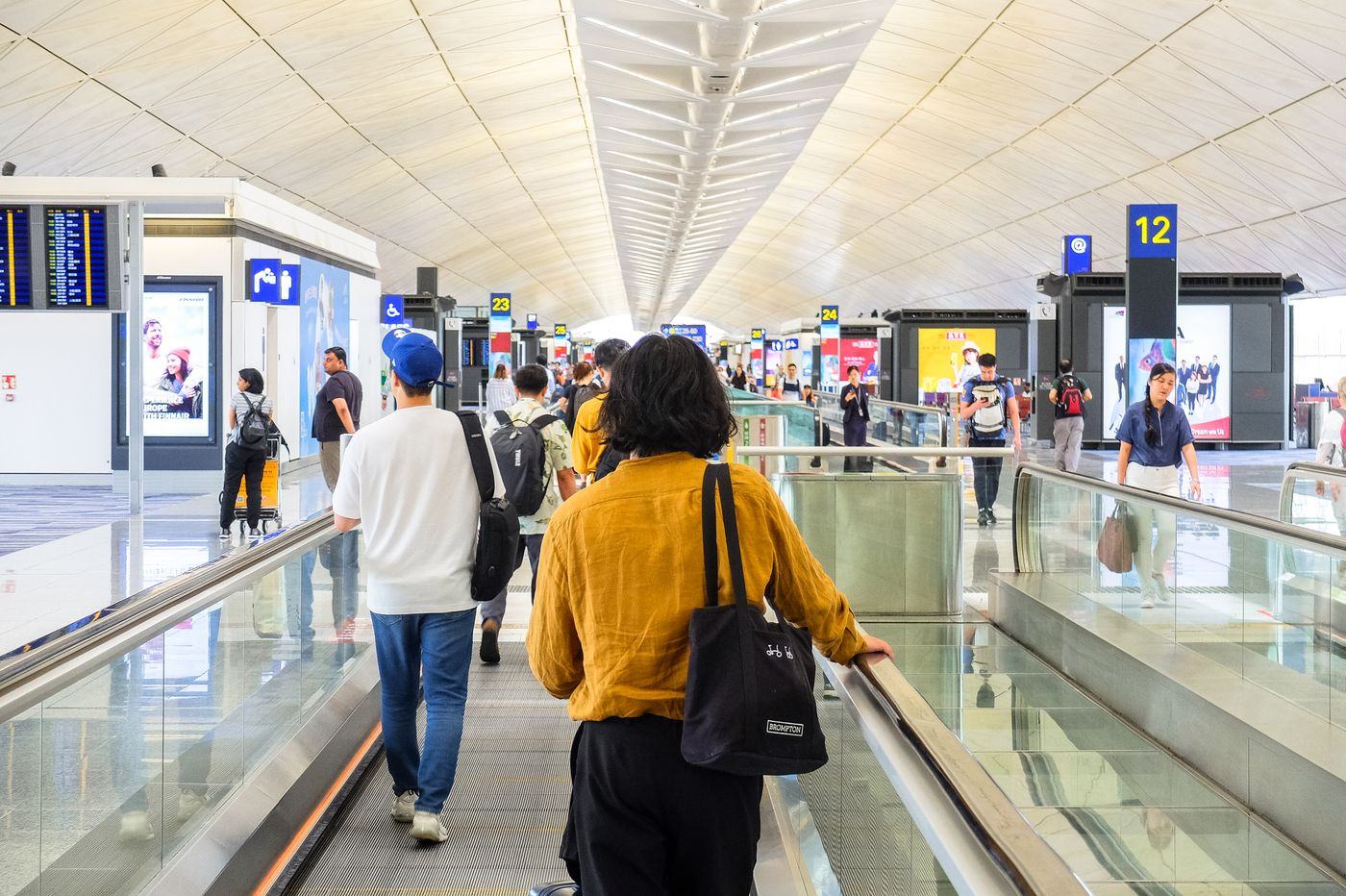
عند الوصول إلى Seymour Galapagos Ecological Airport (GPS)
- المطار
- GPS / SEGS
- يخدمها أيضا
- San Cristobal Airport (SCY)
الوصول إلى Galapagos
- حافلة LOBITO من مخرج المطار إلى Itabaca Channel (GPS), نحو 10 دقيقة
- عبارة Itabaca Channel إلى Santa Cruz Island (GPS), نحو 10 دقيقة
- حافلة أو سيارة أجرة من Itabaca Channel إلى Puerto Ayora (GPS), نحو 45 دقيقة
ما يستحق معرفته عن Galapagos
- تحتفظ Galapagos بمنطقتها الزمنية الخاصة، Galapagos Time (GALT) بتوقيت UTC-06:00، أي متأخرة ساعة عن توقيت بر الإكوادور UTC-05:00؛ ولا يطبق أي منهما التوقيت الصيفي.
- يستغرق الوصول إلى Puerto Ayora من مطار Baltra ثلاث مراحل، بحسب مشغل المطار: حافلة LOBITO إلى Itabaca Channel (US$5، نحو 10 دقائق)، ثم عبارة سطحية عبر القناة (US$1، نحو 10 دقائق)، ثم حافلة (US$2.50) أو سيارة أجرة (نحو US$25) لمدة 45 دقيقة إلى 1 ساعة.
- Arriving passengers must complete the Galapagos Government Council transit control card and a Galapagos Biosecurity Agency sworn declaration online, and pay the protected area entrance fee: US$200 for foreign tourists over 12, US$100 for Andean Community or MERCOSUR nationals, US$30 for Ecuadorians.
- الجزر إقليم في الإكوادور على بعد نحو 898 km (485 ميلا بحريا) غرب البر، ولا يخدم المطارين سوى رحلات داخلية، هي Avianca Ecuador وLATAM Ecuador من Quito وGuayaquil، إضافة إلى LATAM من Cuenca إلى Baltra.
- صمم مبنى Baltra، المبني من أنابيب فولاذية معاد تدويرها والعامل بالطاقة الشمسية والرياح وتحلية مياه البحر، بوصفه أول مطار بيئي في العالم؛ وBaltra نفسها جزيرة غير مأهولة.
- Cruise passengers skip the public transfer: a naturalist guide meets them at Baltra airport and takes them to the boat, according to the national park authority.
- Before checking in for a Galapagos flight in Quito or Guayaquil, register at the Galapagos Government Council office for a transit control card. Keep it until you leave the islands; it allows a stay of two months at most.
- The Galapagos Biosecurity Agency inspects luggage before the flight and again at the docks before any boat trip between inhabited islands, and the aircraft cabin is sprayed with an approved product before landing.
- Park rangers at Baltra and San Cristóbal airports collect the entrance fee on arrival. Children under 12 pay half the adult rate and children under two are exempt.
- Taxis on Santa Cruz are white double cab pickups taking at most four passengers. The park authority recommends the bus to Puerto Ayora instead, to cut emissions and avoid running over birds.
- Small launches of up to 20 passengers link Santa Cruz with San Cristóbal, Isabela and Floreana. Crossings take about 2 to 3 hours, and the sea is calmer from January to June than from July to December.
- Inter-island launches sail at set times: from Santa Cruz to San Cristóbal and Isabela at 13:45, from San Cristóbal at 07:00 and Isabela at 06:00, with Floreana served only on Tuesdays and Thursdays.
- Launch tickets are sold at agencies near each main dock. For faster hops, EMETEBE and Fly Galapagos run small planes between the islands.
- The archipelago is made up of 13 large volcanic islands, 6 smaller islands and 107 rocks and islets. It became a national park in 1959, and its surrounding sea was declared a marine reserve in 1986.